





Mobile Play That Fits Daily Routines
A solid phone experience is less about visual noise and more about speed. Players want to open the platform, find the balance, reach the cashier, and return to a game without hunting through extra menus. In 2026, that matters because many sessions happen in short windows, not long desktop evenings.
Imagine you have ten spare minutes before work. Usually players want to check the account, pick a familiar title, and start without friction. The better mobile setup keeps the main actions close and the text easy to read.
Phone users behave differently from desktop users. They browse with more purpose, rely on search more often, and expect recently played options to be visible. When the layout supports those habits, the platform feels natural instead of crowded.
Using Ozwin Casino Mobile Login On Busy Days
Signing in on a small screen should feel predictable. Clear fields, visible buttons, and a simple recovery path matter more on mobile because people often return in a hurry.
Picture a lunch break session. Most users want to check the balance and continue where they stopped, not troubleshoot the sign-in page. A smooth entry flow makes the whole platform feel more dependable.
Good sign-in design also supports safer account habits. It encourages strong passwords, easier recovery, and regular checks of personal details. Those steps are basic, but they protect everything that matters inside the account.
Getting Started Without Guesswork
The first session often decides whether someone stays. If registration feels messy, people leave. If the setup is short and logical, the platform earns confidence before any money is added.
Imagine opening an account from the sofa with one hand on your phone. Usually players want one clean sequence: details, password, confirmation, then the cashier. A mobile-first setup should respect that rhythm.
Create Your Account On A Small Screen
The best sign-up forms ask only for what is needed at that moment. They do not bury the action button, and they do not force users to zoom in just to read labels.
If you are creating a profile for the first time, accuracy matters more than speed. Most players enter their personal details, create a password, and move on to preferences. A thoughtful interface helps by spacing fields properly and showing errors right where they happen.
Another small detail matters more than people expect: keyboard behavior. Email fields should open the email keyboard, number fields should open the numeric one, and date selection should be easy to tap. Small choices like these reduce frustration fast.
Confirm Details And Secure The Profile
Verification is rarely exciting, but it prevents problems later. Without it, withdrawals can slow down and account checks may appear at the worst possible moment.
Imagine you deposit, enjoy a winning session, and then discover your payment details do not fully match the profile. That is where avoidable delays begin. Careful players usually review names, contact information, and payment ownership early.
Security settings deserve the same attention. A strong password and clear recovery options keep the account more stable, especially on a phone where people tend to stay signed in longer than they planned.
Set Your Budget Before The First Deposit
Budgeting works best before the first real-money session, not after it. Once you decide how much time and money the session deserves, every later choice becomes easier.
Picture someone opening the cashier while a promotion is visible. Experienced players usually ignore the urge to start too big and choose an amount they can track comfortably. That simple choice makes the whole session calmer.
Mobile play increases the need for structure because the device is always nearby. Limits, reminders, and planned stop points help keep the experience practical instead of impulsive.

What The Lobby Feels Like On A Phone
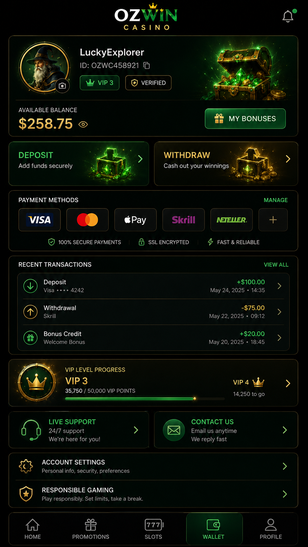
The mobile lobby is where design either guides or overwhelms. A strong one makes categories obvious, keeps search useful, and lets players reach favorites or recent titles without long scrolling.
Imagine opening the platform late in the evening and wanting something familiar. Most people do not start from every category. They check saved options, recent play, or a short list of popular picks.
Game choice changes on a phone. Fast rounds, readable controls, and uncluttered layouts usually feel better than interfaces packed with tiny buttons. Players notice this quickly, often within the first few minutes.
There is also a difference between a five-minute break and a longer evening session. During a short break, users tend to pick something simple. In a longer session, they may compare themes, feature depth, or pace. A flexible lobby should support both moods.
Filters do a lot of hidden work here. Search by type, theme, or new releases helps players cut through a large catalog without losing patience on a small screen.
Payments, Processing, And Cashout Flow
For many users, the cashier is the real test. A polished lobby means little if deposits feel confusing or payouts turn into a guessing game.
Imagine a player depositing during the week and planning a cashout later. Usually the smoothest path comes from using a familiar method, checking details before submission, and reading the cashier notes instead of skipping them.
Task | What To Check First | Why It Helps On Mobile |
|---|---|---|
First deposit | Payment ownership, amount, available balance | Reduces small-screen mistakes |
Repeat deposit | Saved details, session budget, transaction summary | Speeds up use without losing control |
Withdrawal request | Profile accuracy, documents, payout destination | Lowers the chance of extra review |
Account review | Recent transactions, pending requests, limits | Keeps timing and spending visible |
Support contact | Request status, method used, screenshots ready | Makes problem solving faster |
What Usually Changes Processing Time
Processing speed rarely depends on one factor. Method choice matters, but so do verification status, account accuracy, and the timing of the request.
Picture a payout sent late on a Friday evening. One account is fully prepared, another needs extra checks because details do not match. The first request often moves more smoothly, while the second may pause until the review is complete.
It also helps to separate approval from arrival. Even after a request is accepted, the final timing can still depend on the financial route chosen by the player.
How Players Avoid Common Payout Delays
Most payout delays begin with preventable mismatches. A name may not match the payment method, the profile may be outdated, or a confirmation step may be skipped.
Imagine you are ready to cash out after a good session. Careful players usually pause before submitting, review the destination details, and check that all account records still match. That one-minute review can save much more time later.
Another smart habit is keeping a simple record of recent deposits and requests. On mobile, it is easy to forget what method you used a few days ago, and that memory gap can slow support conversations.
Support, Limits, And Practical Safety Tools
A platform should not make people search endlessly for help. Support needs to be easy to reach from the account area, the cashier, and the help section.
Imagine you have a payment question late at night. Most users first review the help pages, then contact support with the transaction details ready. That gives the conversation structure and makes the answer easier to follow.
Safety tools matter just as much as customer service. Deposit limits, session reminders, cooling-off options, and self-exclusion settings are practical controls for moments when a player wants to slow down or stop.
Mobile access makes these tools even more important because the device is always close. Good account controls help users set boundaries before convenience starts working against them.
The best tools are the ones players can activate quickly without waiting for a manual response. Direct control is one of the clearest signs of a mature gaming platform.
When A Timeout Makes More Sense Than Chasing
Some sessions need a pause, not another deposit. A timeout gives the player room to reset, review what happened, and decide later with a clearer head.
Imagine someone staying longer than planned because they want to recover losses before sleep. Usually that is the moment when practical players step back, check their history, and interrupt the pattern instead of feeding it.
Timeouts are useful because they break momentum. Even a short pause can change the next decision - and often that is exactly what keeps the session from turning unproductive.

Why The Mobile Version Suits Australia In 2026
In Australia, mobile entertainment is part of everyday digital life. People expect phone interfaces to load quickly, remember preferences, and keep essential account actions close.
Imagine a player in Australia moving between home, work, and social plans in one day. They are not looking for a long learning curve. Usually they want a straightforward experience that lets them register, browse, deposit, and review settings without friction.
What matters in 2026 is not novelty. It is clarity. If the buttons are readable, the cashier is understandable, the support path is obvious, and the safety tools are easy to reach, the platform feels ready for real daily use.
Players in Australia should also treat the platform as adult entertainment used within applicable local rules and age requirements. That keeps the focus where it belongs - on informed, controlled play rather than assumptions.
That is why the strongest mobile experience is often the quietest one. It lets the player do ordinary things well - manage the profile, choose a game, track spending, and stop when needed.
For anyone exploring Ozwin on a phone in Australia, the smart approach is simple: start with the account basics, use payment methods you understand, test the layout during a short session, and set limits early. That usually leads to a better experience than rushing straight into larger deposits or longer play.